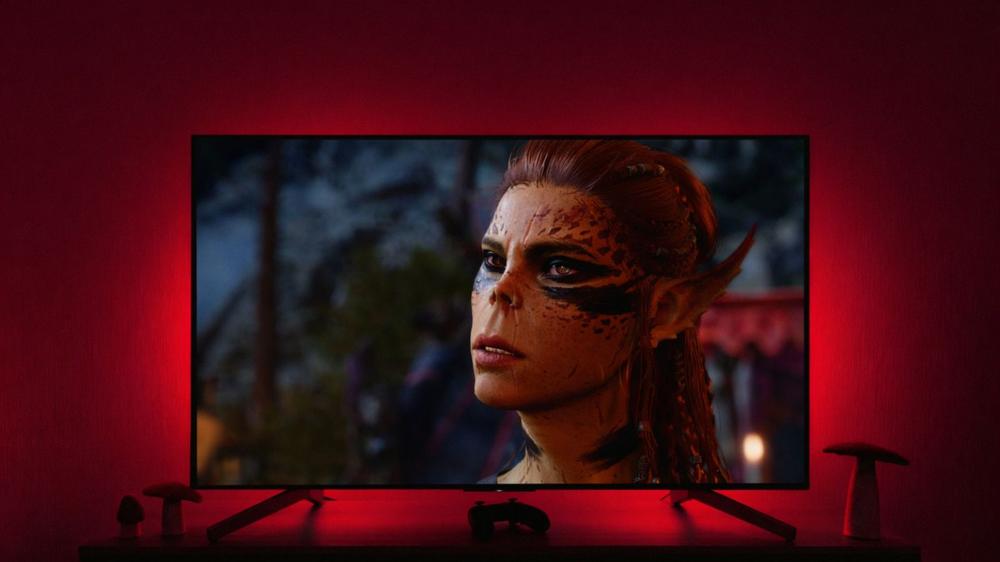
Baldur’s Gate 3 is coming to HBO, and if the series leans the right way, it could pull this off.
As soon as HBO confirmed a live-action Baldur’s Gate 3 series was in the works, the response split instantly. The project put Craig Mazin in charge, with HBO producing alongside Hasbro and Wizards of the Coast, while Larian Studios remained on the sidelines.
That last detail is heavy on everyone’s mind, because BG3 worked because Larian let players wreck things, fix them, or walk away without the story flinching. How do you adapt a game where both stabbing an enemy to death or picking them up, adding them to your inventory, and dragging them off a cliff are acceptable options?
BG3 thrived because every companion could exist in mutually exclusive states, every community could be saved or scarred, and every ending could feel definitive to the person who lived it. Turning one of those outcomes into official history could alienate half the audience overnight. By sidelining Larian and handing the series to a showrunner still drawing heat for The Last of Us Season 2, HBO didn’t calm gamers’ nerves. There is, however, one proven way this show could still pull it off.
How the Baldur’s Gate show could actually work
The smart way an HBO Baldur’s Gate 3 show could work is by refusing to adapt BG3 in the literal sense. That doesn’t mean asking Mazin to step away. It means copying the right homework, the kind Arcane and Fallout already handed in.
BG3 isn’t built for a single, official route through its story, so a straight retelling would pick a winner and turn everyone else into the person muttering, “Not my save.”
A continuation avoids that trap, which is the route Hasbro Entertainment team told Deadline they’d follow. Set the series after the ending, treat the finale like a disputed historical event, and let the world carry the weight instead of one canonized choice. People disagree on what happened and why, because that’s how history works in the Forgotten Realms anyway. That framing lets TV live in consequences without putting the audience through a courtroom argument over which ending “counts.”
In that version, companions work better as legends than leads, and they could even get a cameo or two. Astarion doesn’t need a fixed fate or a camera glued to his face, he works better as rumor, a shadow story whispered in taverns, a figure whose truth shifted depending on the teller.
Focusing on new, low-level adventurers can even ground the world of the further. As the BG3 characters were, the series’ protagonists shouldn’t be saviors reliving boss fights but nobodies dealing with refugee crises, cult remnants, and political rot left behind by a victory that never felt clean.
Baldur’s Gate 3 could not be adapted as a story. It could only work as a world that survived one, and let the audience experience what was left behind.
 No, Jeffrey Epstein is not alive and grinding Fortnite from Tel Aviv. But here’s why people think he is