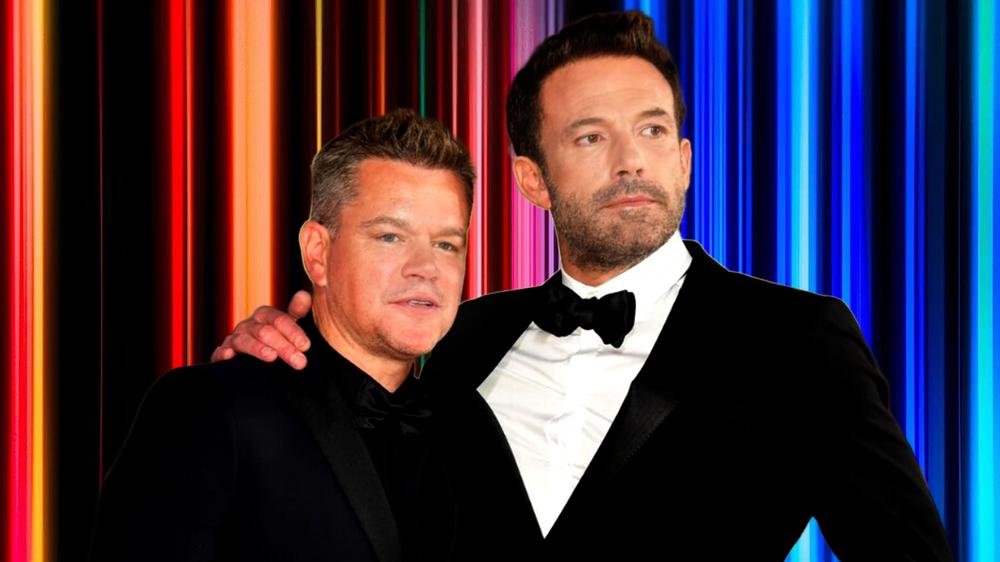
Ben Affleck and Matt Damon believe streaming has fundamentally changed how films are written, structured, and even shot, arguing that modern viewing habits are quietly reshaping the art of filmmaking itself.
The longtime collaborators shared their thoughts during an appearance on The Joe Rogan Experience episode #2440, which aired on January 16, where the trio discussed how platforms like Netflix influence everything from pacing to creative risk.
Films are now designed for distracted viewers
Affleck explained that one of the biggest shifts comes from how people actually watch movies at home, often while scrolling on their phones.
“To keep them tuned in, you re-iterate the plot three or four times in the dialogue because people are on their phones while they’re watching,” Damon said, noting that this feedback increasingly comes from data rather than instinct.
Rogan described how streaming analytics show when audiences tune out, creating pressure to adapt storytelling around retention metrics rather than traditional narrative flow. “We’ve got data that shows within the first five minutes when this happens, they tune out,” he said, calling it a new reality filmmakers have to decide how to respond to.
Streaming changes how stories are structured
Damon said the ripple effect goes beyond dialogue and into the very bones of storytelling. Traditionally, films were paced to build toward climactic moments later in the runtime, especially in theaters, where audiences were less likely to walk away.
“Now they’re like, ‘Can we get a big one in the first five minutes to get somebody? We want people to stay tuned in,’” he explained, adding that this logic increasingly applies across genres, not just blockbusters.
Affleck contrasted that with the theatrical experience, where the barrier to leaving is much higher. “The bar for walking out of a movie theater is a lot higher than from just changing the channel.”
The loss and upside of the theater experience
Both Affleck and Damon acknowledged that something is lost when challenging or uncomfortable films move primarily to at-home viewing. Damon recalled how disturbing films like Taxi Driver once held audiences in their seats, even when they were deeply unsettled.
“If somebody’s disturbed at home, they just change the channel,” he said. “That doesn’t mean you shouldn’t make Taxi Driver.”
Still, Affleck argued the shift isn’t purely negative. He described the change as a matter of supply and demand, driven by audiences investing in home entertainment. “People want to watch a bunch of stuff at home,” Damon said. “You’re not going to change people’s viewing habits now.”
That reality, he added, can also create space for riskier or more experimental projects that don’t need to justify a massive theatrical marketing spend.
Filmmaking adapts to the algorithm
Affleck stressed that streaming isn’t an existential threat to cinema, but rather another historical shift. “Everything that comes along isn’t going to destroy everything,” he said, comparing the rise of streaming to television’s impact on theaters decades earlier.
While the algorithm now plays a role in creative decisions, Affleck believes filmmakers still have a choice. “What you can do is make the best you can make it,” he said. “Really good.”
The full discussion can be heard on The Joe Rogan Experience episode #2440, featuring Ben Affleck and Matt Damon, released January 16.
 Man receives Nokia phone delivery 16 years after ordering them