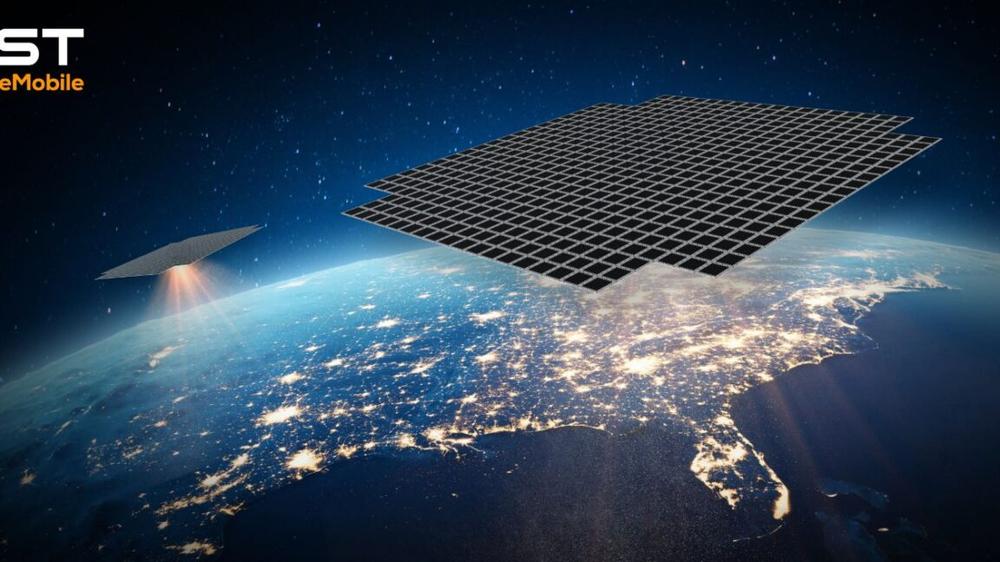
Blue Origin confirmed Thursday that the next launch of its New Glenn rocket will carry a large communications satellite into low-Earth orbit for AST SpaceMobile.
The rocket will launch the next-generation Block 2 BlueBird satellite “no earlier than late February” from Launch Complex 36 at Cape Canaveral Space Force Station.
However, the update from Blue Origin appears to have buried the real news toward the end: “The mission follows the successful NG-2 mission, which included the landing of the ‘Never Tell Me The Odds’ booster. The same booster is being refurbished to power NG-3,” the company said.
This is happening pretty fast
The second New Glenn mission launched on November 13, just 10 weeks ago. If the company makes the late-February target for the next mission—and Ars was told last week to expect the launch to slip into March—it will represent a remarkably short turnaround for an orbital booster.
By way of comparison, SpaceX did not attempt to refly the first Falcon 9 booster it landed in December 2015. Instead, initial tests revealed that the vehicle’s interior had been somewhat torn up. It was scrapped and inspected closely so that engineers could learn from the wear and tear.
SpaceX successfully landed its second Falcon 9 booster in April 2016, on the 23rd overall flight of the Falcon 9 fleet. This booster was refurbished and, after a lengthy series of inspections, it was reflown successfully in March 2017, nearly 11 months later.
Reshuffling the manifest
With New Glenn, Blue Origin is seeking to refly a booster on just the third overall flight of the New Glenn fleet and turn the rocket around in less than four months. Even for a well-capitalized program with the benefit of learning from both Blue Origin’s own suborbital New Shepard rocket and the industry’s experience with the Falcon 9, this represents an impressive turnaround in first stage reuse.
Blue Origin originally planned to launch its MK1 lunar lander on the third flight of New Glenn, but it pivoted to a commercial launch as the lunar vehicle continues preparatory work.
On Wednesday, the company announced that it had completed the integration of the MK1 vehicle and put it on a barge bound for Johnson Space Center in Houston. There, it will undergo vacuum chamber testing before a launch later this spring—or, more likely, sometime this summer.
 Star Wars: Maul - Shadow Lord Release Date and Teaser Trailer Revealed, Complete With Double-Bladed Lightsaber Action and Inquisitors