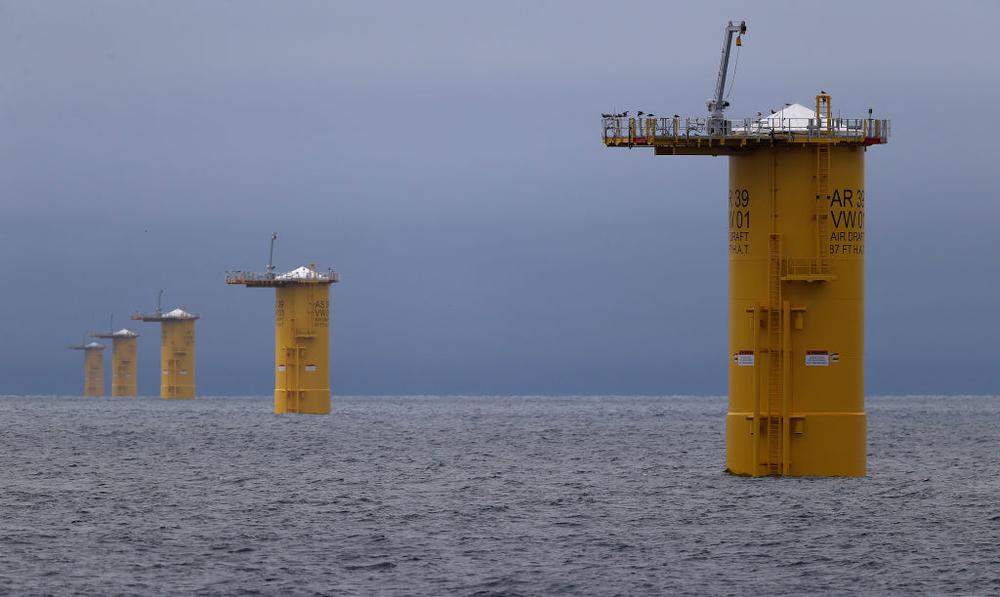
The Trump administration is no fan of renewable energy, but it reserves special ire for wind power. Trump himself has repeatedly made false statements about the cost of wind power, its use around the world, and its environmental impacts. That animosity was paired with an executive order that blocked all permitting for offshore wind and some land-based projects, an order that has since been thrown out by a court that ruled it arbitrary and capricious.
Not content to block all future developments, the administration has also gone after the five offshore wind projects currently under construction. After temporarily blocking two of them for reasons that were never fully elaborated, the Department of the Interior settled on a single justification for blocking turbine installation: a classified national security risk.
The response to that late-December announcement has been uniform: The companies building each of the projects sued the administration. As of Monday, every single one of them has achieved the same result: a temporary injunction that allows them to continue construction. This, despite the fact that the suits were filed in three different courts and heard by four different judges.
Based on reporting elsewhere, some of the judges viewed the classified report that was used to justify the order to halt construction, but they didn’t find it persuasive. In one case, the judge noted that the government wasn’t acting as if the security risks were real. The threat supposedly comes from the operation of the wind turbines, but the Department of the Interior’s order blocked construction while allowing any completed hardware to operate.
“If the government’s concern is the operation of these facilities, allowing the ongoing operation of the 44 turbines while prohibiting the repair of the existing turbines and the completion of the 18 additional turbines is irrational,” Judge Brian E. Murphy said. That once again raises the possibility that the order halting construction will ultimately be held to be arbitrary and capricious.
For now, however, the courts are largely offering the wind projects relief because the ruling was issued without any warning or communication from the government and would clearly inflict substantial harm on the companies building them. The injunction blocks the government’s hold on construction until a final ruling is issued. The government can still appeal the decision before that point, but the consistency among these rulings suggests it will likely fail.
Several of these projects are near completion and are likely to be done before any government appeal can be heard.
 Notepad++ updates got hijacked for months and could have spied for China