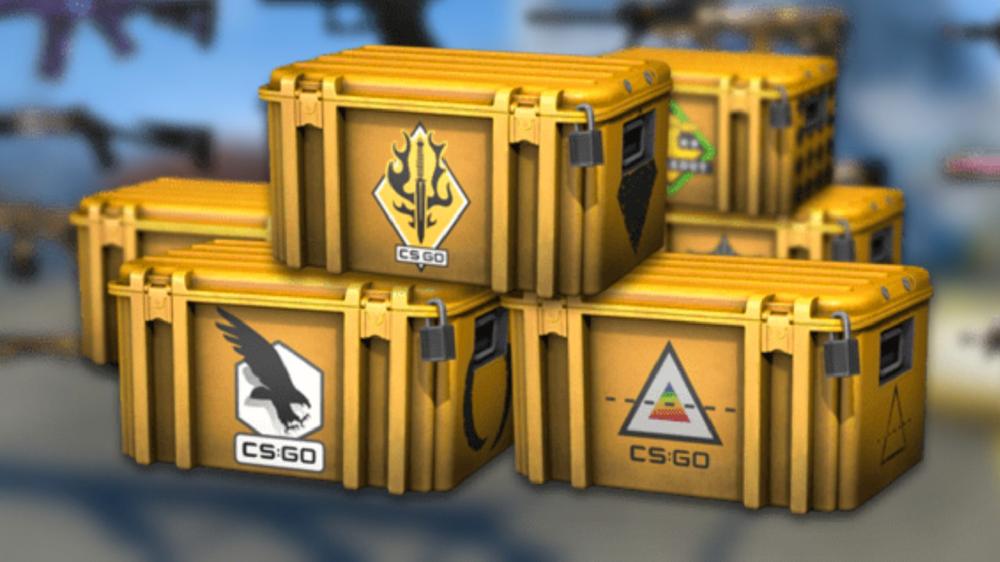
A gaming lawyer says the New York lawsuit against Valve Corporation could reshape loot boxes across the entire United States if it succeeds.
On February 26, New York Attorney General Letitia James announced she is suing Valve under Section 225 of the state penal code, claiming the company promotes gambling through loot boxes in games like Counter-Strike 2 and Team Fortress 2.
Attorney Harris Peskin described the legal move as “absolutely MASSIVE news for the gaming and esports ecosystem.”
Peskin said the case will likely hinge on whether players are “receiving something of value” when they open cases and obtain skins. Under New York law, gambling involves staking something of value on a future event not under a person’s control, with the understanding they will receive something of value depending on the outcome.
“This is not a new question,” he noted, pointing to past scrutiny in Washington State and the 2018 Kater v. Churchill Downs ruling, where a court found that virtual chips could qualify as a “thing of value” even if they were not redeemable for cash.
Lawyer says Valve lawsuit ramifications are “huge”
If a court finds that loot box rewards themselves meet that threshold, Peskin said the impact could be sweeping. “The ramifications are HUGE,” he wrote, arguing that it could “virtually render all lootboxes of any type impermissible in the state of New York.”
Given the size of the New York market, that outcome could effectively force changes nationwide, as publishers are unlikely to operate separate monetization systems state by state.
“If [NY AG Letitia James] is successful she may end up removing lootboxes from the entire country. Almost immediately other states with similar statutes would seek relief. At that point, the cost of operating would be too high.”
For its defense, Peskin explained that Valve “will almost certainly point to its Terms of Service and its conduct against third-party marketplaces as an attempt to indicate that it is not facilitating gambling. In fact, it is attempting to shut down the liquid value its skins have.”
Valve has already faced similar regulatory pressure in Europe. In 2019, French players of Counter-Strike: Global Offensive were given an X-ray scanner system that revealed case contents before purchase, following gambling law crackdowns that also impacted Belgium and the Netherlands.
Peskin questioned how far the logic could extend, referencing games like League of Legends and its Hextech system. “Is that illegal gambling now too?” he asked.
 Death Stranding 2 Official Specs Suggest It'll Run Great on Most PCs