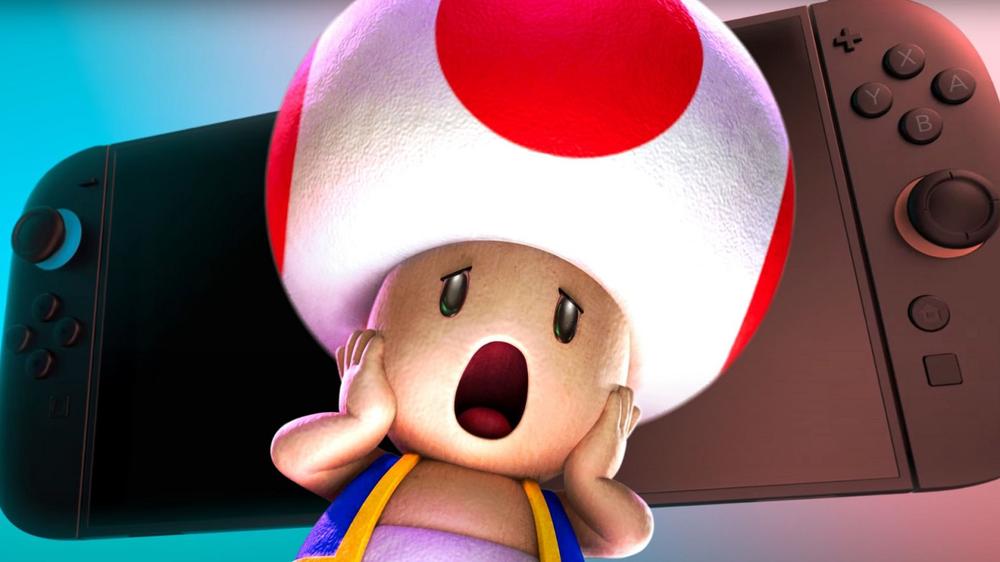
Nintendo’s Switch 2 success came with an asterisk this week, after the company admitted price hikes are officially on the table.
Across tech, memory shortages have stopped being a background problem. High-performance RAM is getting hoovered up by AI data centers, premium smartphones, and enterprise hardware all at once. As a result, console makers are now stuck competing for the same supply that keeps modern systems affordable. If memory prices keep climbing, next-gen hardware launches may slip, and today’s consoles may quietly get more expensive to keep margins intact.
That pressure set the stage for Nintendo’s latest financial briefing, where questions about Switch 2 pricing finally caught up with its blockbuster sales.
Switch 2 pricing questions arrive right on schedule
In an interview with Reuters, company president Shuntaro Furukawa addressed whether the Switch 2 could see a price increase as memory costs continue to rise: Furukawa said Nintendo would “carefully consider” the issue while reviewing sales momentum, platform adoption, production costs, profitability, and broader market conditions.
It was indeed corporate language, but it’s clear that rising memory prices are no longer hypothetical.
Nintendo also acknowledged that if those costs stay elevated for an extended period, they could begin to weigh on profits from the next fiscal year onward. There was no suggestion of immediate changes, but the door was left open on purpose.
That matters because the Switch 2 is performing extremely well. Nintendo confirmed the console had sold 17.37 million units since its June 2025 launch, putting it on track to hit its 19 million unit forecast for the fiscal year. In other words, this conversation was not coming from a place of panic.
The wider industry context makes that caution feel inevitable. Hardware makers are not just dealing with higher prices, but also with tighter availability.
 Where to Stream the Entire Pokémon Series in Order