We’re entering the fifth year of Russia’s full-scale, unprovoked war against Ukraine. The war has grown more technologically sophisticated and lethal. Russian missiles and drones strike Ukrainian cities every night. Russia is weaponizing the coldest winter of the decade.
Yet Russia’s war is failing. The Kremlin has not achieved its battlefield objectives. Contrary to its propaganda, its economy is collapsing, losses are immense, and advances remain minimal.
According to the CSIS, Russian forces have suffered more than 1.2 million casualties since February 2022 — more than any major power in conflict since World War II. In the major offensives, Russian troops advance just 15–70 meters (49–230 feet) per day.
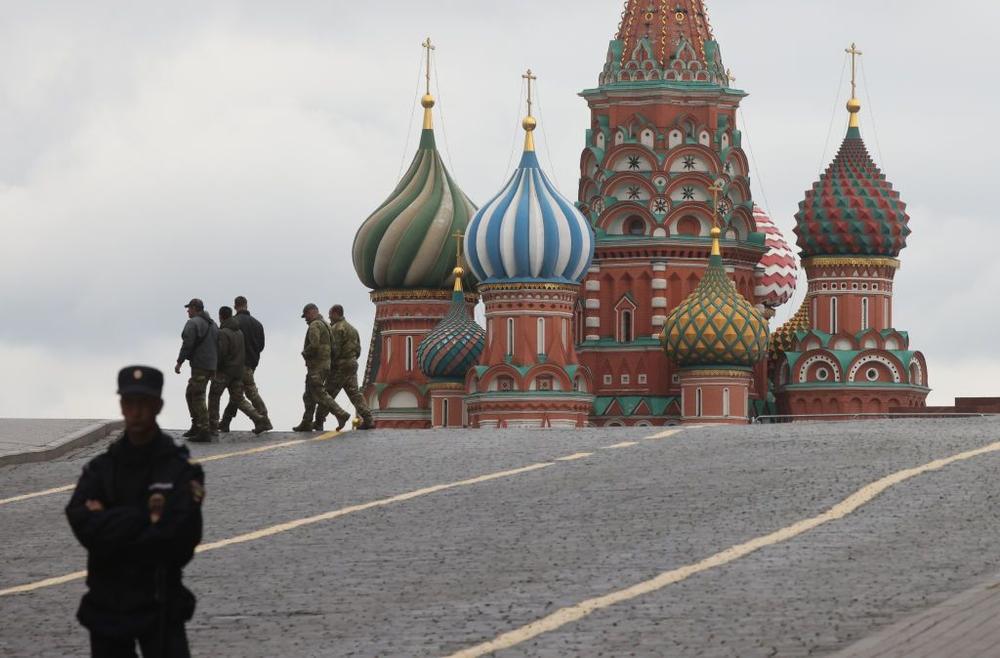
Beyond the battlefield, a quieter process is unfolding: Russia’s gradual return to normal international life.
This is the Kremlin’s strategy. Through culture, sports, diplomacy, and business, Moscow is testing how much legitimacy and access it can regain without altering its war aims. Their framing is carefully calibrated: humanitarian, apolitical, “neutral.” Russia uses incremental steps, but the objective is strategic: to re-enter global life as if this war were a temporary disruption.
The International Olympic Committee’s decision to allow Russian and Belarusian athletes to compete at the 2026 Winter Paralympics under their national flags and anthems — the first time in over a decade — is emblematic. It restores Russia’s international presence while the war continues.
The Olympics became a vivid example of how “neutrality” is applied unevenly: even where Russia remains officially banned, its athletes compete as “neutrals.” Meanwhile, Ukrainian skeleton racer Vladyslav Heraskevych was disqualified for wearing a helmet honouring Ukrainians killed in the war. This is a double standard.
Nor is Russia merely Ukraine’s problem —it is a global security threat. Moscow recruits foreign nationals from Africa, Asia, the Middle East, Eastern Europe, Central Asia, and Latin America, often through misleading or coercive means. Its “shadow fleet” endangers maritime security and the environment. Its hybrid warfare —cyberattacks, disinformation, sabotage and the instrumentalisation of migration — is escalating the global security situation. Its partnerships with authoritarian regimes facilitate transfers of weapons and dual-use technologies. Its manipulation of energy exports, disruption of food supply chains, and sanctions-evasion networks extend its aggression far beyond Ukraine.
Peace can only be achieved through strength. This requires three forms of discipline.
First, isolate Russia and Belarus. Trade that finances aggression must end. Dependence on Russian energy must end. No return to business as usual — not with Russia, not with its enablers. No red carpets while missiles fall. Neutrality under fire is not neutrality. It is indulgence. Aggressor states seek legitimacy as urgently as territory. The Baltic states know this from history.
Second, the international community must intensify pressure. Sanctions are working and must be strengthened. Action against Russia’s shadow fleet shows that evasion can be constrained through maritime oversight, insurance controls, and targeted designations. Loopholes must be closed. Circumvention via third countries must be addressed decisively.
Russian revenue from oil and other natural resources must be further restricted. Visa and travel policies should reflect accountability. Targeted tariffs can reinforce the leverage against Russia. And importantly, this pressure must be systematic, not episodic.
Third, we must not give Russia through negotiations what it cannot win on the battlefield. It’s time we ignore the Kremlin Butcher’s bluff. Frozen Russian assets must be handled in line with international law, while ensuring that Russia bears the cost of its aggression. Ukraine’s sovereignty and territorial integrity cannot be violated. Every vote, every sanctions package, every enforcement action signals whether these principles still stand.
Today, on Feb. 24, 2026, at the emergency special session of the UN General Assembly, member states will vote on a resolution supporting a lasting peace in Ukraine. No country desires peace more than Ukraine. But peace cannot be built on the accommodation of aggression. This vote will be about fundamental principles of sovereignty and territorial integrity.
There is only one path to lasting peace. Russia must end its aggression, withdraw forces from Ukraine’s sovereign territory, and respect internationally recognized borders. Only then can normal relations resume. Until that moment, there can be no return to normal.
No red carpets while missiles fall.
Editor's note: The opinions expressed in the op-ed section are those of the authors and do not purport to reflect the views of the Kyiv Independent.
 Ford Puma Sound Edition 2026: audio B&O da 650 W e look esclusivo