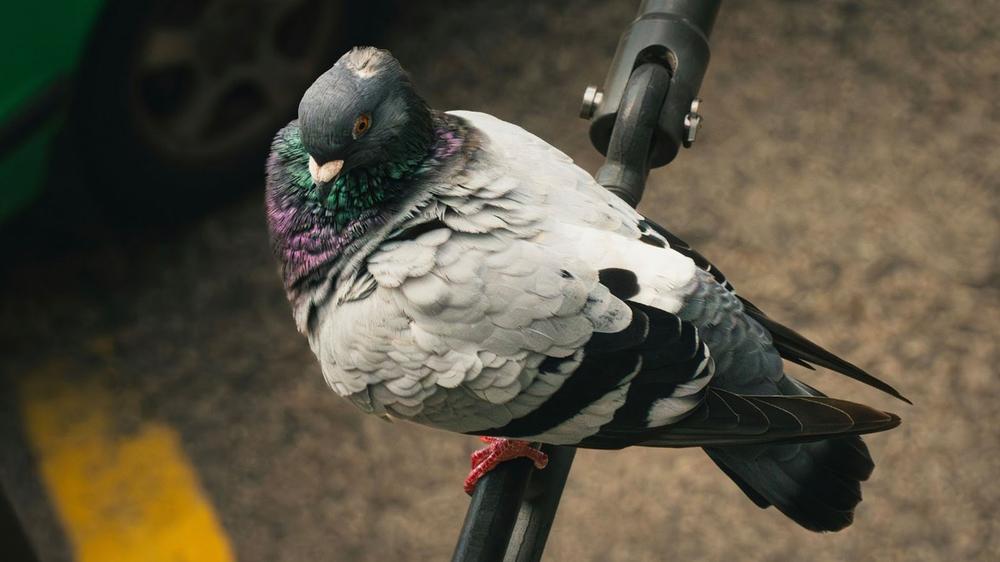
A tech startup in Russia claims to have developed brain implants that it’s using to control pigeons remotely and turn the birds into surveillance drones.
Pigeons have a long history of being used as messengers. The birds were trained by humans over the course of thousands of years to fly far and wide with important information in wartime and emergencies.
In fact, the first recorded use of messenger pigeons dates all the way back to ancient Egypt, when they were used to send critical news about agriculture, political conflicts, and the flooding of the Nile.
The use of homing pigeons has gone out of fashion over the last few hundred years, but one Russian tech startup is hoping to bring back the practice… well, sort of.
Russian tech startup is making remote controlled ‘surveillance pigeons’
Russian startup ‘Niery’ claims that it has successfully created neurological implants that they have inserted into pigeons’ brains, which they can use to control the animals remotely.
By attaching cameras to the birds, they can also use them to surveil their surroundings. (The ‘birds aren’t real’ crowd must be feeling pretty vindicated right now.)
Niery explained how the technology works in a press release, saying a simulator sends signals to make the pigeons turn left or right using GPS systems, which are powered with solar panels.
While Niery hasn’t yet put these birds on the market, its founder, Alexander Panov, says it’s possible to use any avian critter to carry out these tasks, and that the animals don’t need any special training or conditioning to participate in the program.
”Right now, the solution works on pigeons, but any bird can be a carrier,” Panov said in a statement. “To carry more payload, we plan to use ravens for monitoring coastal facilities — seagulls, and for large sea areas, albatrosses.”
While the ethics of such an operation have yet to be brought up by major animal rights organizations, Niery says the operation is completely safe with “100% survivability” by using a stereotactic setup to implant the electrodes in the birds’ brains.
 Apple might let you use ChatGPT from CarPlay