
A Crew Dragon spacecraft docked with the International Space Station on Valentine’s Day, and astronauts popped open the hatches at 5:14 pm ET (22:14 UTC) on Saturday evening.
The arrival of four new astronauts as part of the Crew 12 mission—Jessica Meir and Jack Hathaway of NASA, Sophie Adenot of the European Space Agency, and Andrey Fedyaev of Roscosmos—brought the total number of crew on board the space station to seven, giving the US space agency a full complement in orbit.
The number of astronauts living on board the station fluctuates over time, depending on crew rotations and private astronauts making shorter stays, but since Crew Dragon began flying regularly at the end of 2020 NASA has sought to keep at least four “USOS” astronauts on board at all time. This stands for “US Orbital Segment,” and means astronauts from the United States, Canada, Europe, and Japan who are trained to operate the areas of the station maintained by NASA and its partner astronauts.
However, after one of the four Crew-11 astronauts experienced a health emergency a few days into the new year, NASA made an unprecedented decision to bring them home early. NASA has not named the afflicted Crew-11 astronaut, but the flier is said to be recovering on Earth.
Running solo
After these astronauts departed on January 15, just a single NASA astronaut, Chris Williams, remained in orbit. He had reached space on board a Russian Soyuz spacecraft in November, alongside two Russian cosmonauts, Sergey Kud-Sverchkov and Sergei Mikaev. The space station is a big place, and with much of the facility now more than two decades old, Williams had to spend the majority of his time on maintenance and monitoring activities.
Back on Earth, NASA and SpaceX engineers were busy too. Because Crew 11 was brought home more than a month early, NASA and SpaceX scrambled to launch the Crew-12 vehicle a little sooner than expected, to minimize the time Williams had to manage the large US segment of the station on his own.
That culminated with a successful Dragon launch early on Friday, with the reinforcements reaching the space station on Saturday evening.
“This mission has shown, in many ways, what it means to be mission focused at NASA,” said the space agency’s administrator, Jared Isaacman, during a post-launch news conference. “In the last couple of weeks we brought Crew 11 home early, we pulled forward Crew 12, all while simultaneously making launch preparations for the Artemis II mission. It’s only possible because of the incredibly talented workforce we have here at NASA alongside our contractors, and our commercial and international partners.”
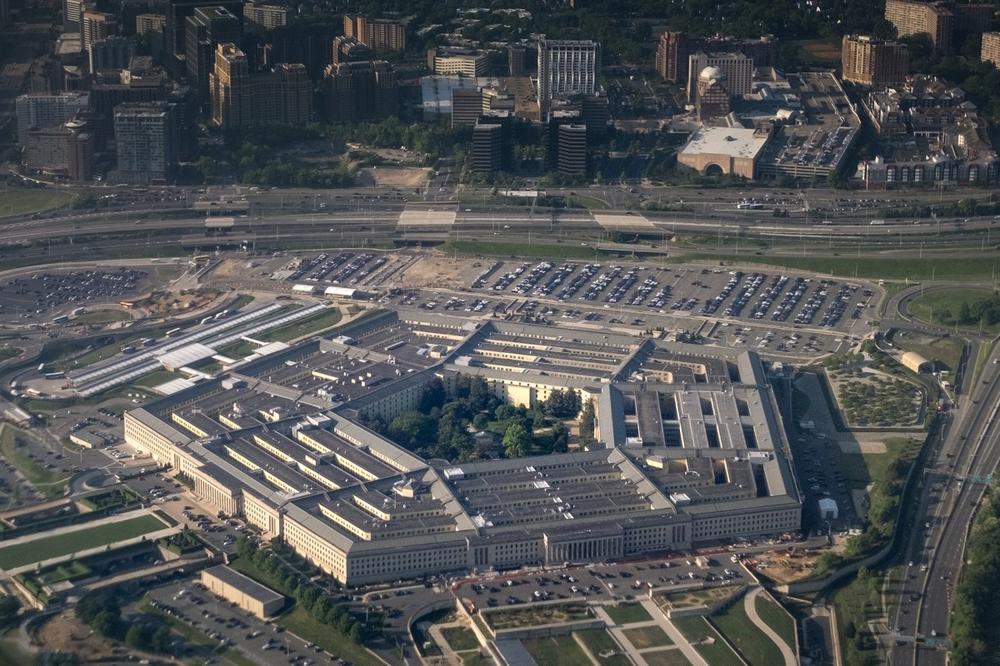 Anthropic and the Pentagon are reportedly arguing over Claude usage