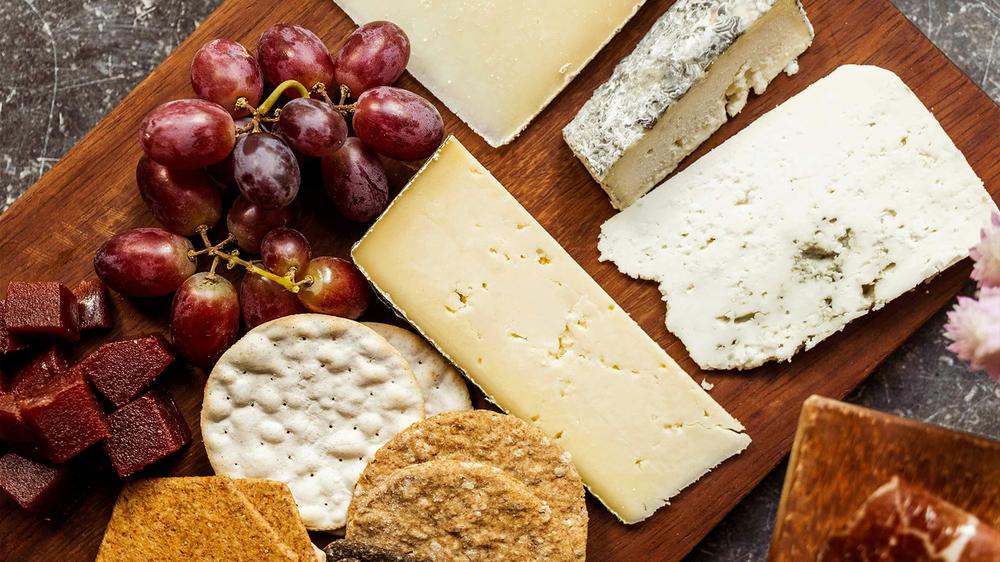
A new study has linked certain types of cheese with a reduced risk of developing dementia, adding to ongoing research into how diet may impact long-term brain health.
The research, published in the journal Neurology, analyzed dietary habits and health outcomes among tens of thousands of people and found that those who regularly consumed high-fat cheese were less likely to develop dementia than those who did not.
Researchers examined data from more than 27,000 participants and found that people who consumed high-fat cheese had a 13% lower risk of all-cause dementia. Those who consumed high-fat cream showed a 16% lower risk.
What the study found
In the study, high-fat dairy was defined as products containing at least 20% fat for cheese, 30% for cream, and 2.5% for milk and fermented milk. Low-fat cheese, low-fat cream, and other low-fat dairy products showed no significant association with dementia risk.
Cheeses that met the study’s criteria included soft cheeses such as brie and camembert, hard cheeses like cheddar, and semi-soft varieties including Gouda and Gruyère. Blue cheeses, such as Stilton, were also included.
Researchers also observed that participants who consumed more high-fat cheese tended to have a lower prevalence of diabetes, hypertension, cardiovascular disease, and stroke, and were less likely to use lipid-lowering medication.
“Higher intake of high-fat cheese and high-fat cream was associated with a lower risk of all-cause dementia,” the researchers wrote.
Study author Emily Sonestedt, a nutrition scientist at Lund University, told Gizmodo that cheese does not appear to negatively impact brain health when eaten in reasonable amounts. She noted that the study focused on a Swedish population, where cheese is more often eaten on its own rather than as part of heavily processed meals.
Experts emphasized that while the findings are notable, high-fat foods should still be consumed in moderation due to their potential impact on cholesterol and heart health.
“Cheese can be part of a healthy diet,” Sonestedt said, adding that broader lifestyle factors such as physical activity, social engagement, and managing blood pressure and blood sugar remain critical for brain health.
 Wow! ChatGPT Founder Can’t Imagine Raising a Newborn Without ChatGPT or a Billion Dollars