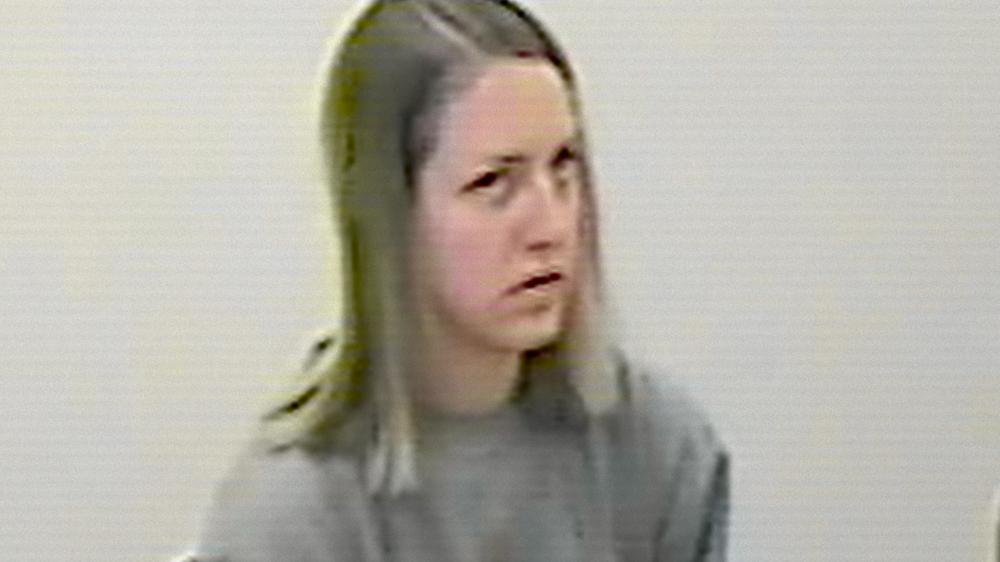
A new documentary about the arrest, trial, and conviction of child killer Lucy Letby is now available on Netflix, but being heavily criticised for its use of “digital disguises” via AI.
The Investigation of Lucy Letby is a harrowing feature-length documentary about a neonatal nurse who is now the UK’s most prolific child killer.
In August 2023, Lucy Letby was found guilty of murdering seven babies and attempting to murder seven more under her care at the Countess of Chester Hospital between June 2015 and June 2016.
Through interviews with doctors, police officers, and lawyers, the doc presents the case against her, while it also covers growing concern that the conviction might have been a gross miscarriage of justice. But one aspect of the Netflix film’s production also has come under fire.
“Digital Anonymisation” called into question during Lucy Letby doc
The Investigation of Lucy Letby features multiple talking heads laying out the case, but there are also two interviewees whose anonymity is protected. One is the mother of one of the victims, and the other is a close friend of Letby.
The doc acknowledges this from the outset, with these words appearing onscreen: “some contributors have been digitally disguised to maintain anonymity. Their names, appearances, and voices have been altered.”
But it’s jarring when when a face that looks nearly human, but not quite, appears onscreen alongside the words: “digitally anonymised.” While reviews of the film have been highly critical of using the practise when speaking about such sensitive material.
“The decision to use ‘digital anonymisation’ for some of its contributors is also questionable,” writes The Telegraph. “With the picture-perfect AI avatars tipping too far into uncanny valley to sit well in such a weighty film.”
The Evening Standard is even less impressed, stating: “What is truly egregious is the production team’s decision to use AI to ‘digitally anonymise’ their interviewees – which essentially means we’re watching AI-generated faces talk about harrowing things like baby loss, or PTSD, with blank faces that are entirely at odds with the emotion in the speakers’ voices.”
Viewers have also been unimpressed, with Kelsey S writing on Rotten Tomatoes: “The AI used in this lacks so much taste! This is a really heartfelt story with real people’s accounts being replayed using AI characters at times. This made it incredibly distracting to feel those emotions.
“AI is so powerful and such a great tool to boost production value in areas that take too much time otherwise. But in this, it’s all wrong and takes away from story. Netflix has been very open with embracing AI tools for their shows, and to be blunt, this was a pretty poor showing of that.”
That digital anonymisation replaces subjects being interviewed in darkness, with their voices heavily modified, which can also be jarring.
The Times is one outlet that’s in favor of how this new form or technology is used in the film, saying: “At least this film digitally anonymised Sarah’s face, protecting her identity while allowing for her expressions of pain as she stoically delivered her moving testimony.”
 'This Is the Wasteland Where You Always Get Sidetracked by Bulls**t Every Goddamn Time' — Fallout Showrunner Teases Non-Linear Journey to New Season 3 Location