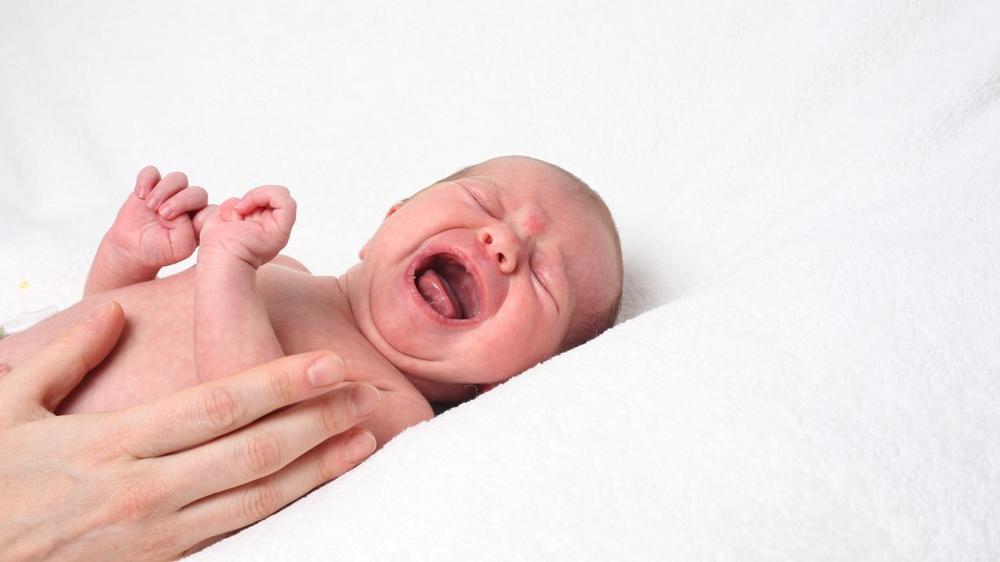
Federal vaccine advisors hand-selected by anti-vaccine Health Secretary Robert F. Kennedy Jr. have voted to eliminate a recommendation that all babies be vaccinated against hepatitis B on the day of birth. The decision was made with no evidence of harm from that dose and no evidence of any benefit from the delay.
Public health experts, medical experts, and even some members of the panel decried the vote, which studies and historical data indicate will lead to more infections in babies that, in turn, will lead to more cases of chronic liver disease, liver cancer, and premature death.
“I will just say we have heard ‘do no harm’ is a moral imperative. We are doing harm by changing this [recommendation],” Cody Meissner, a pediatrician and voting member of the Advisory Committee on Immunization Practices (ACIP), said as he voted against the change.
The 8–3 vote today was the third time the committee attempted to withdraw the long-standing universal recommendation, which has been in place since 1991. The recommendation was made after attempts to vaccinate only “high-risk” infants failed, leading to a 37 percent increase in infected infants between 1979 and 1989. After the universal recommendation for a birth dose was made, infections soon after birth nearly disappeared.
No supporting evidence
When the panel—ACIP, a committee within the Centers for Disease Control and Prevention—first tried to erase the recommendation in September, Joseph Hibbeln, a psychiatrist on the panel, raised the obvious concern that they hadn’t actually seen any data supporting the change. The committee was considering recommending delaying the vaccine until the first month of life. But as Hibbeln pointed out, they hadn’t actually reviewed any data comparing the risks and benefits of giving a dose at birth versus at one month.
“I’m wondering why one month was selected as our time point and if there are data to help to inform us if there’s greater risk of adverse effects before one month or after one month at all,” he said at the time.
At the ACIP meeting today and yesterday, there was still no data comparing different vaccination timing, nor any evidence of harm from the dose given at birth, which Hebbeln noted to his fellow ACIP members.
Still, the committee voted in favor of dropping a universal recommendation for the birth dose and instead only recommending a birth dose for babies born to mothers known to be infected with hepatitis B or babies born to mothers who had not been tested for the virus. For babies born to mothers who have tested hepatitis B negative, parents and health care providers can use “individual-based decision making” to decide if the birth dose should be given. If they decide to delay the dose, the panel suggested giving the first dose “no earlier than 2 months of age.”
Health experts have warned that this opens a window in which babies can be infected with the highly infectious virus by mothers who had false-negative test results or by anyone else they come into contact with in the first two months of life. There are about 2.4 million people in the US infected with hepatitis B, and only about 50 percent of those infected are aware they carry the virus.
“Never Never Land”
Members of the committee in favor of the change had no clear explanation for why two months was selected or the benefits of the altered recommendation.
Retsef Levi, an operations management expert and ACIP member who expressed strong anti-vaccine views, said, “I think that the intention behind this [recommendation change is] that parents should carefully think about whether they want to take the risk of giving another vaccine to their child, and many of them might decide that they want to wait far more than two months, maybe years and maybe up to adulthood.”
In the discussion before the vote, Meissner described the motivation as “baseless skepticism.”
With a second vote, the panel created a new recommendation that parents and health care providers should consider testing a child’s antibody levels after each dose of the three-dose hepatitis B series. The recommendation suggests that if a baby’s antibody levels reach a certain threshold, they can forgo completing the series.
CDC subject matter experts, medical organizations, and members of the committee pointed out that there is no data to support this recommendation. Vaccine efficacy data is based on the entire three-dose series, and antibody levels are not sufficient to presume the same level of lifelong protection.
This vote “is kind of making things up,” Meissner said in frustration. “I mean, it’s like Never Never Land.”
There was no data or discussion on the administrative burden or clinical feasibility of testing the antibody levels of a baby after each dose.
The panel approved the recommendation on antibody testing in a vote of 6–4, with one abstention.
Medical experts were quick to condemn today’s votes. Sandra Adamson Fryhofer, a board member of the American Medical Association, said the vote is “reckless and undermines decades of public confidence in a proven, lifesaving vaccine.”
“Today’s action is not based on scientific evidence, disregards data supporting the effectiveness of the Hepatitis B vaccine, and creates confusion for parents about how best to protect their newborns,” Fryhofer said in a statement.
 Sword of Convallaria X The Witcher 3: A Commemorative Interview