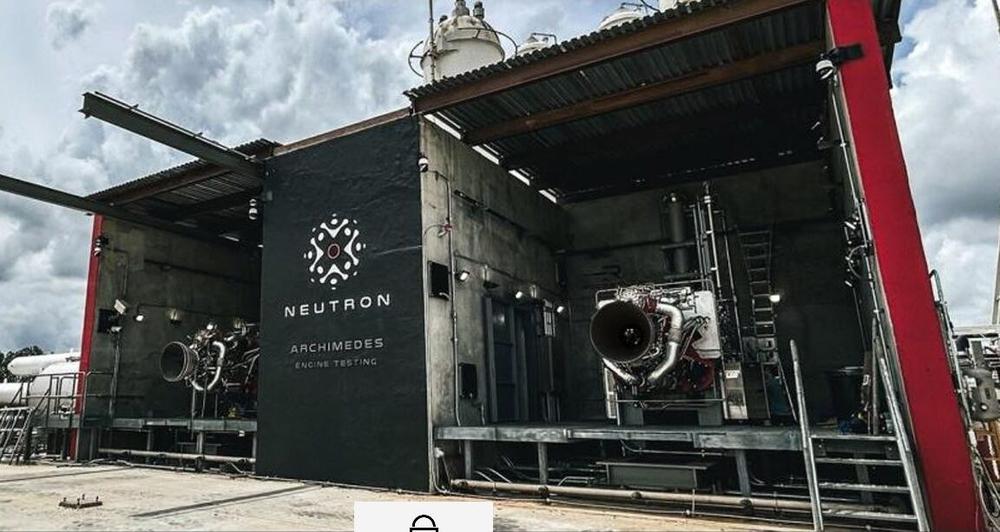
A little more than two months ago, a Rocket Lab employee called the Stennis Space Center Fire Department from the nearby A3 test stand. There was a grass fire where Archimedes engines undergo testing. Could they please send personnel over?
According to the fire station’s Nov. 30 dispatcher log, the employee said, “The fire started during a test when an anomaly caused an electrical box to catch fire.”
Satellite imagery from before and after the anomaly appear to show that the roof had been blown off the left test cell, one of two at the test stand at the historic NASA facility in southern Mississippi. One person with knowledge of the anomaly said, “The characterization of this as an electrical fire doesn’t reflect what actually occurred. This was a catastrophic engine explosion that resulted in significant infrastructure damage.”
According to two sources, this is one of at least two Archimedes engine tests that ended in failure during the past three months.
The engine test anomalies come at a critical time for Rocket Lab, as it is attempting to finalize development of a flight version of the Archimedes engine, which burns liquid oxygen and methane and has a sea-level thrust of 165,000 pounds. Nine of these engines will power the company’s much-anticipated Neutron rocket, which is aiming for a debut launch later this year.
Making mountains out of mole hills?
In response to a query from Ars about the engine test anomalies, Rocket Lab Chief Executive Officer Pete Beck downplayed concerns.
“Eric, you are trying to make a story out of nothing,” Beck said. “We test to the limits, that’s part of developing a successful rocket. We often put the engine into very off nominal states to find the limits and sometimes they let go, this is normal and how you ensure rockets don’t fail in flight.”
Rocket companies do test engines to the point of failure. Often these tests occur out of public view on private or government property. However, when NASASpaceflight installed cameras outside SpaceX’s McGregor engine test facilities in Texas, it became clear that rocket engines, such as the company’s new Raptor engine, are pushed to failure not infrequently. What is not clear is how often this failure is intentional.
Beck said Rocket Lab is presently pushing the Archimedes engine to find its failure modes and performance in edge cases.
“Right now we are in the part of the program where we are doing very nasty things to the engine like backing right off the suction pressure, inducing cavitation and exploring outside the run box,” he said. “These things can often lead to engines letting go. We have two test cells so we can do these types of tests and not interrupt our test cadence or production flow, hence there is zero impact to schedule, in fact 48hrs later we were running engines again.”
Beck has previously said that it is Rocket Lab’s goal to identify failures during component level testing so that when Neutron launches it has a high chance of reaching orbit on its first go.
 Diablo 30th Anniversary Spotlight: Everything Announced (Updating Live)